
Combining Trauma Therapy with Art Portfolios: A Gentle Path to Healing with Art Therapy for Trauma

Healing from trauma can feel overwhelming. Sometimes, words are not enough to express the deep emotions and experiences we carry. That is where art therapy for trauma steps in. It offers a gentle, creative way to explore feelings and begin the healing process. Combining trauma therapy with art portfolios creates a unique space for emotional recovery. It allows us to see our progress visually and connect with our inner selves without needing to retell painful stories.
Understanding Art Therapy for Trauma
Art therapy for trauma is a form of therapy that uses creative expression to help process difficult emotions. It is not about creating perfect art but about using art as a tool to communicate feelings that might be hard to say out loud. This approach is especially helpful for those who find verbal therapy challenging or retraumatizing.
In art therapy, you might use drawing, painting, collage, or other art forms to express your thoughts and feelings. The process encourages self-reflection and emotional release. It also helps build resilience by allowing you to see your journey unfold through your artwork.
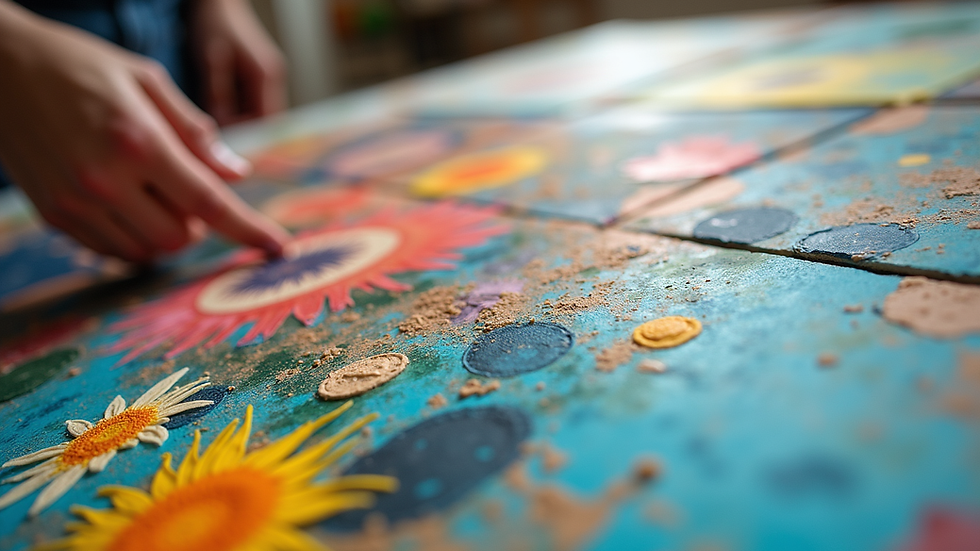
For example, a client might create a series of paintings that represent different stages of their healing. Over time, these pieces form a portfolio that tells a story of growth and recovery. This portfolio becomes a powerful reminder of strength and progress.
How Art Portfolios Enhance Trauma Therapy
An art portfolio is more than just a collection of artwork. It is a personal archive of your healing journey. When combined with trauma therapy, it offers several benefits:
Visual Progress Tracking: Seeing your work side by side helps you notice changes in your emotions and thoughts.
Safe Expression: You can explore difficult feelings without needing to explain them verbally.
Empowerment: Creating and curating your portfolio gives you control over your story.
Reflection: Reviewing your portfolio allows you to reflect on your growth and challenges.
For instance, after a few therapy sessions, you might look back at your early drawings and notice how your use of color or shapes has shifted. This can be a gentle way to acknowledge healing without pressure.
Using a portfolio also encourages consistency. Regularly adding new pieces helps maintain a connection to your emotions and supports ongoing recovery.
Practical Steps to Start Your Art Portfolio for Healing
Starting an art portfolio for trauma therapy can feel intimidating, but it doesn’t have to be. Here are some simple steps to guide you:
Gather Your Materials
Choose art supplies that feel comfortable. This could be pencils, watercolors, pastels, or collage materials. You don’t need expensive tools—just what feels right for you.
Create a Safe Space
Find a quiet, comfortable place where you can create without interruptions. This space should feel safe and calming.
Set Gentle Intentions
Before you begin, take a moment to breathe and set a simple intention. It could be as easy as “I will express what I feel” or “I will be kind to myself.”
Start Small
Begin with short sessions, maybe 10-15 minutes. You can create abstract shapes, colors, or simple images that represent your feelings.
Add to Your Portfolio Regularly
Keep your artwork in a folder or binder. Add new pieces as you create them. Over time, this collection will show your healing journey.
Reflect When Ready
When you feel comfortable, look through your portfolio. Notice any changes or patterns. You might want to write down thoughts or feelings that come up.
Remember, there is no right or wrong way to create your art portfolio. The goal is to support your healing gently and safely.

Integrating Trauma Therapy and Art Portfolio in Online Sessions
Many people find comfort in combining trauma therapy and art portfolio work through online sessions. This approach offers flexibility and privacy, which can be important for healing.
In an online setting, a therapist might guide you through art exercises tailored to your needs. You can share your artwork digitally or keep it private, depending on your comfort level. The therapist supports you in exploring your emotions through your art without pressure to talk about details you’re not ready to share.
This method aligns well with therapies like EMDR (Eye Movement Desensitization and Reprocessing), which focus on healing trauma without needing to verbally retell painful experiences. The art portfolio becomes a visual companion to your therapy, helping you track progress and express emotions safely.
If you want to learn more about how to combine trauma therapy and art portfolio, you can explore this resource for detailed guidance and support.
Encouragement for Your Healing Journey
Healing from trauma is a brave and personal journey. Using art therapy for trauma and building an art portfolio can be a gentle way to move forward. It allows you to express yourself without words and see your growth over time.
Be patient with yourself. Some days will feel harder than others, and that is okay. Your art portfolio is a safe space where you can be honest and kind to yourself. Celebrate every small step you take.
If you feel stuck, consider reaching out to a therapist who understands the power of art in healing. They can guide you with compassion and expertise.
Remember, your story is unique, and your healing path is yours to create. Combining trauma therapy with art portfolios offers a gentle, transformative way to nurture your emotional well-being.
I hope this post encourages you to explore art therapy for trauma and consider starting your own art portfolio. It can be a powerful tool for healing and self-discovery. Take your time, be gentle with yourself, and know that every stroke of your brush or pencil is a step toward emotional freedom.


Comments